

+918048030554

Currently it only shows your basic business info. Start adding relevant business details such as description, images and products or services to gain your customers attention by using Boost 360 android app / iOS App / web portal.

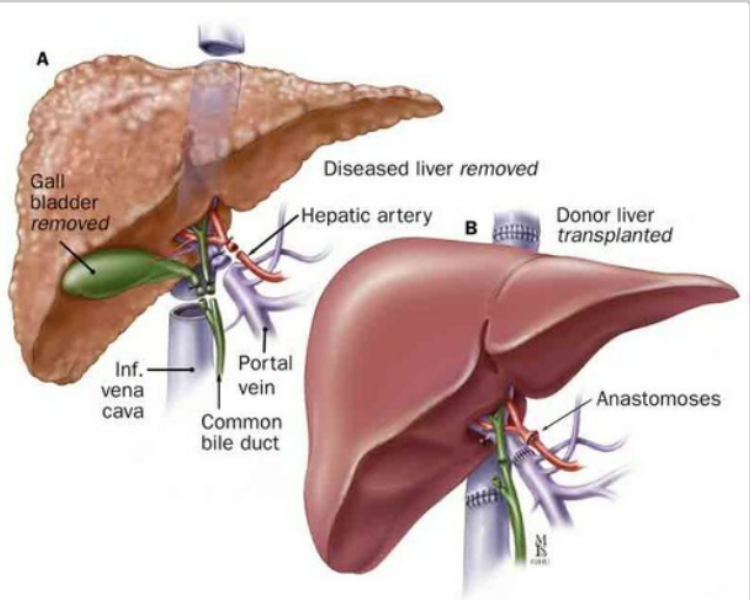
A liver transplant is a life-saving surgical procedure performed to replace a damaged or failing liver with a healthy liver from a donor. It is usually recommended for patients suffering from end-stage liver disease, acute liver failure, or certain types of liver cancer where other treatments are no longer effective. Common causes that may lead to liver transplantation include liver cirrhosis, chronic hepatitis, fatty liver disease, alcohol-related liver damage, and genetic liver disorders. There are two main types of liver transplantation: deceased donor transplant and living donor transplant. In a deceased donor transplant, the liver is obtained from a brain-dead donor, while in a living donor transplant, a portion of a healthy person’s liver is donated to the patient. The liver’s unique ability to regenerate allows both donor and recipient to regain normal liver function over time. The transplant process involves detailed evaluation of the patient, including blood tests, imaging studies, and overall health assessment to ensure suitability for surgery. Once approved, patients are placed on a transplant waiting list or prepared for a living donor procedure. Timely transplantation is crucial for improving survival and preventing life-threatening complications. The surgery is complex and requires a highly skilled surgical team and advanced medical infrastructure. After the procedure, patients need lifelong follow-up and medications (immunosuppressants) to prevent rejection of the new liver. Regular monitoring, proper nutrition, and adherence to medical advice are essential for long-term success. With advancements in surgical techniques and post-operative care, liver transplantation has achieved high success rates and significantly improved quality of life for patients. Under the expert guidance of Dr Sandeep Jha, patients receive complete care—from evaluation to surgery and long-term follow-up—ensuring safe treatment and the best possible outcomes.


