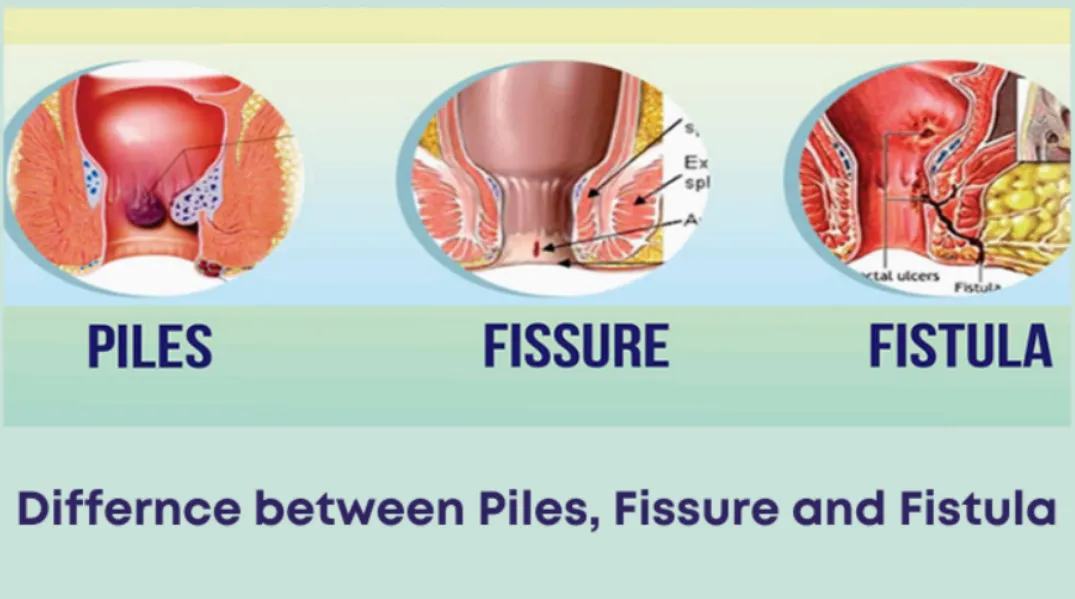
Anal fissures and anal fistulas are common anorectal conditions that can cause pain, discomfort, and difficulty during bowel movements. Although they affect the same region, they are different conditions and require proper diagnosis and appropriate treatment.
An anal fissure is a small tear in the lining of the anus, usually caused by passing hard stools, chronic constipation, or straining during bowel movements. Common symptoms include sharp pain during and after passing stools, bright red blood on toilet paper, burning sensations, and discomfort around the anal opening. Many acute fissures improve with adequate hydration, a high-fiber diet, stool-softening measures, and prescribed medications. Chronic fissures that do not heal may require procedures such as Botox injections or surgery, depending on the patient's condition.
An anal fistula is an abnormal tunnel that develops between the inside of the anal canal and the skin near the anus. It commonly develops following an anal abscess or infection. Symptoms may include persistent pain, swelling, redness, recurrent pus discharge, skin irritation, and repeated infections near the anal opening. Unlike many fissures, fistulas usually do not heal permanently without appropriate treatment.
Diagnosis involves a clinical examination and, in selected cases, additional investigations such as MRI or endoanal ultrasound to assess the fistula's location and complexity. Treatment may include fistulotomy, seton placement, or other sphincter-preserving procedures, depending on the fistula's anatomy and the risk of affecting bowel control.
Dr. Sandeep Jha, Gastrointestinal, Liver & Transplant Surgeon, provides evaluation and surgical management for anorectal conditions, including fissures and fistulas. Early consultation can help relieve symptoms, prevent recurrent infections, and reduce the risk of complications.
Do not ignore persistent anal pain, bleeding, or discharge. Timely medical assessment and an individualized treatment plan can support healing, improve comfort, and help patients return to their normal daily activities.
Keywords