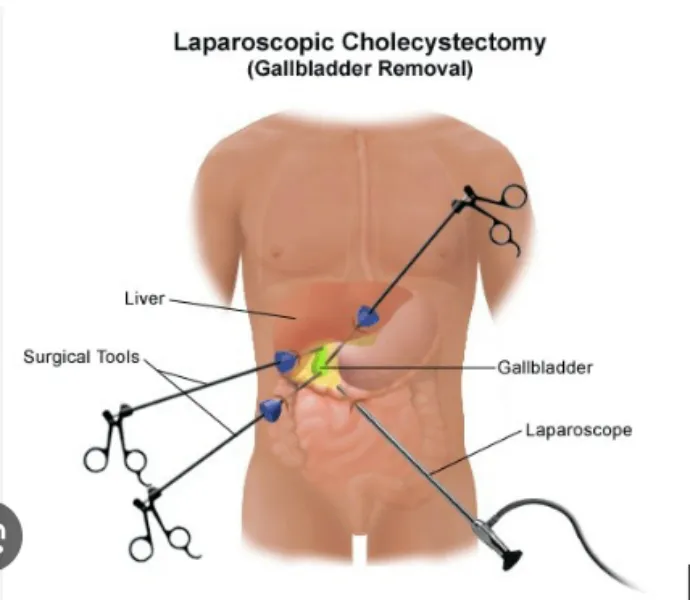
Cholecystectomy is a surgical procedure to remove the gallbladder, a small, pear-shaped organ located beneath the liver. The gallbladder stores bile, a digestive fluid produced by the liver that helps break down fats. This surgery is commonly recommended for patients experiencing gallbladder problems that cause persistent symptoms or complications.
The most common reason for cholecystectomy is gallstones, which can block the flow of bile and cause severe abdominal pain. Other conditions that may require surgery include gallbladder inflammation (cholecystitis), recurrent gallstone attacks, gallbladder polyps in selected cases, and certain suspected or confirmed gallbladder cancers.
Common symptoms of gallbladder disease include pain in the upper right abdomen, particularly after fatty meals, nausea, vomiting, bloating, and indigestion. If a gallstone blocks the bile duct, patients may also develop jaundice, dark urine, or other complications. Timely medical evaluation is essential to prevent serious health problems.
The two main approaches to cholecystectomy are laparoscopic cholecystectomy and open surgery. Laparoscopic surgery uses small incisions, a camera, and specialized instruments to remove the gallbladder. It is the preferred approach for most suitable patients because it generally involves less postoperative pain, smaller scars, a shorter hospital stay, and faster recovery. Open surgery may be necessary in selected complex cases.
Before surgery, the patient undergoes a medical assessment and investigations such as abdominal ultrasound and blood tests. Following the procedure, most patients can gradually resume normal activities and follow a balanced diet according to their surgeon's advice. People can generally live healthy lives without a gallbladder because the liver continues to produce bile.
Dr. Sandeep Jha, Gastrointestinal, Liver & Transplant Surgeon, provides specialized evaluation and surgical management for gallbladder diseases. Early diagnosis and appropriate surgical care can help relieve symptoms, prevent complications, and improve quality of life. Consult a specialist if you experience recurrent abdominal pain or other symptoms of gallbladder disease.
Keywords