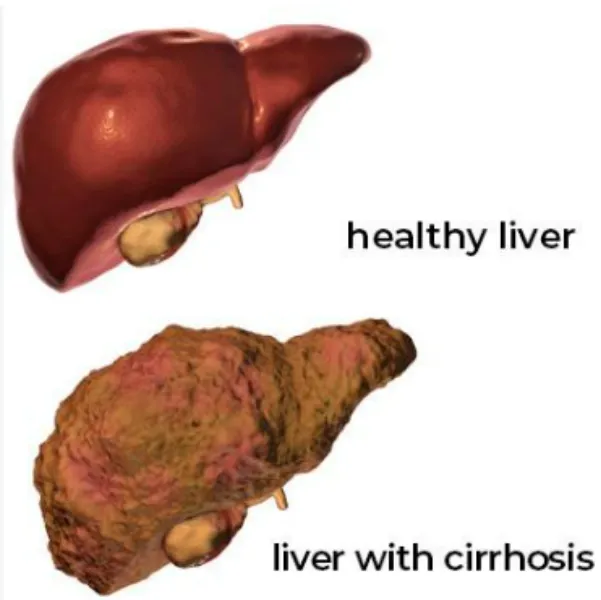
Liver cirrhosis is a chronic condition in which healthy liver tissue is gradually replaced by scar tissue, affecting the liver's ability to function properly. As the scarring progresses, the liver may struggle to perform essential functions such as filtering toxins, producing proteins, and supporting digestion. Early diagnosis and appropriate treatment are crucial to slowing disease progression and preventing complications.
Cirrhosis can develop due to several underlying conditions, including chronic hepatitis B or C infection, alcohol-related liver disease, metabolic dysfunction-associated steatotic liver disease (MASLD), autoimmune liver disorders, and certain genetic conditions. Identifying and treating the underlying cause is an important part of managing the disease.
In the early stages, cirrhosis may not cause noticeable symptoms. As the condition advances, patients may experience fatigue, weakness, loss of appetite, unexplained weight loss, jaundice, swelling of the legs, abdominal fluid accumulation (ascites), and easy bruising. Advanced cirrhosis can also lead to serious complications, including internal bleeding, infections, and hepatic encephalopathy, which affects brain function.
Diagnosis typically involves liver function tests, blood investigations, ultrasound, FibroScan, CT or MRI scans, and sometimes a liver biopsy. These tests help assess liver damage, identify the cause, and determine the severity of the disease.
Treatment depends on the underlying cause and the stage of cirrhosis. It may include antiviral medications, complete avoidance of alcohol, nutritional support, management of complications, and regular specialist follow-up. Although established cirrhosis-related scarring is generally not reversible, treating its cause can slow progression and improve outcomes. Liver transplantation may be considered for eligible patients with advanced liver disease or liver failure.
Dr. Sandeep Jha, Gastrointestinal, Liver & Transplant Surgeon, provides specialized evaluation and management of complex liver conditions. Early consultation, regular monitoring, and personalized treatment can help reduce complications and support better long-term health. Do not ignore persistent symptoms of liver disease; timely medical attention can make a significant difference.
Keywords