

+918048030554

Currently it only shows your basic business info. Start adding relevant business details such as description, images and products or services to gain your customers attention by using Boost 360 android app / iOS App / web portal.

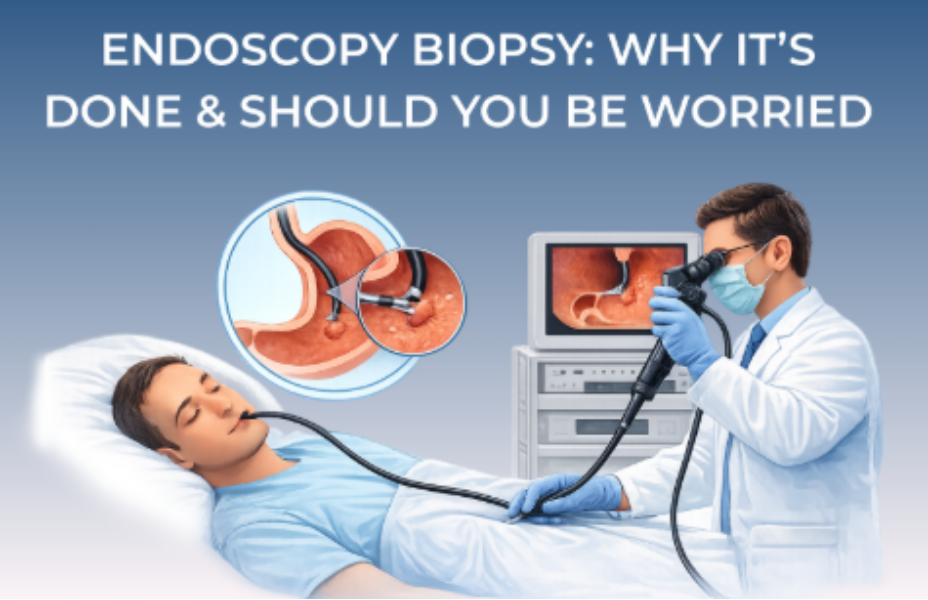
Endoscopy is an important medical procedure used to examine the inner lining of the digestive tract. It involves a thin, flexible tube equipped with a camera and light, called an endoscope, which allows doctors to identify abnormalities and diagnose various gastrointestinal conditions accurately. Endoscopy can also be used to perform certain treatments without the need for major surgery. Upper gastrointestinal endoscopy, also known as gastroscopy, is commonly used to examine the esophagus, stomach, and the first part of the small intestine. It may be recommended for patients experiencing persistent acidity, heartburn, difficulty swallowing, unexplained abdominal pain, recurrent vomiting, gastrointestinal bleeding, or unexplained weight loss. During the procedure, the endoscope transmits images to a monitor, allowing the doctor to examine the digestive tract closely. If necessary, small tissue samples can be collected for biopsy, bleeding can be treated, and certain abnormalities can be managed during the same procedure. Endoscopy helps diagnose several digestive conditions, including gastritis, peptic ulcers, gastroesophageal reflux disease (GERD), esophageal disorders, and certain gastrointestinal cancers. Early diagnosis is particularly important when investigating persistent symptoms or suspected serious diseases. Before the procedure, patients are usually advised to avoid food and liquids for a specified period, following their doctor's instructions. Depending on the procedure and the patient's condition, throat anesthesia or sedation may be used to improve comfort. Afterward, mild throat irritation or temporary bloating may occur. Most patients recover quickly, although those receiving sedation may need someone to accompany them home. Endoscopy is generally safe when performed by trained medical professionals, but complications such as bleeding or perforation can occasionally occur. Appropriate preparation and medical supervision help minimize risks. Dr. Sandeep Jha, Gastrointestinal, Liver & Transplant Surgeon, provides specialized evaluation and management of digestive disorders using appropriate diagnostic and treatment approaches. Timely endoscopic evaluation can help identify underlying conditions, guide effective treatment, and prevent complications. Do not ignore persistent digestive symptoms. Consult a specialist for an accurate diagnosis and a personalized treatment plan to protect your gastrointestinal health.


