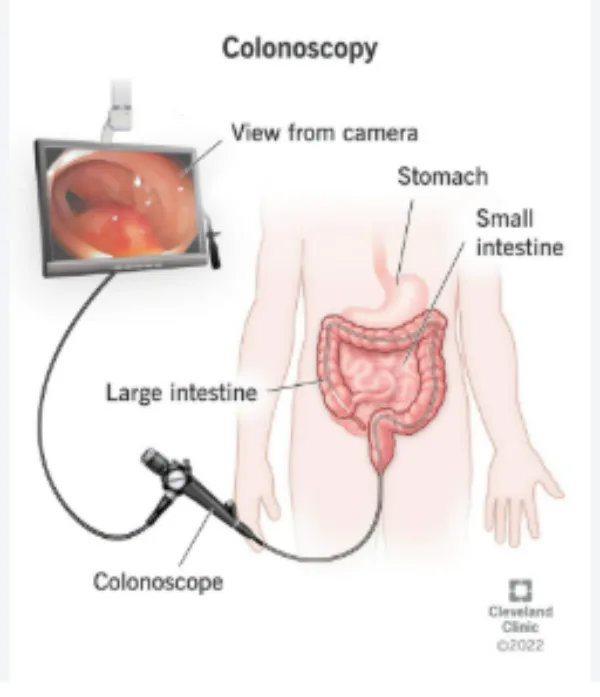
Colonoscopy is an important medical procedure used to examine the inner lining of the large intestine (colon) and rectum. It is performed using a thin, flexible tube equipped with a camera and light, called a colonoscope. This procedure helps doctors diagnose digestive disorders, identify abnormalities, and detect colorectal cancer at an early stage.
Colonoscopy is recommended for patients experiencing persistent changes in bowel habits, unexplained abdominal pain, rectal bleeding, chronic diarrhea, unexplained weight loss, or iron-deficiency anemia. It is also commonly used for colorectal cancer screening, depending on a person's age, medical history, family history, and individual risk factors.
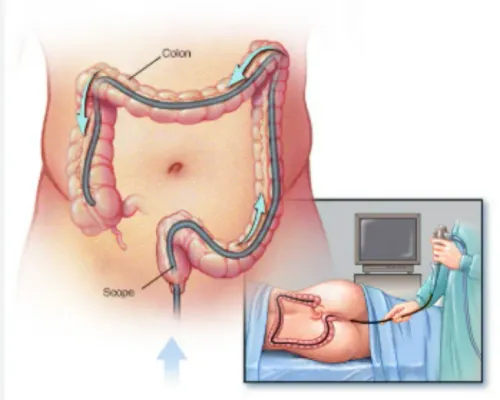
During the procedure, the colonoscope is gently inserted through the anus to examine the colon. If necessary, the doctor can collect small tissue samples for biopsy, remove polyps, or investigate the source of bleeding. Removing certain precancerous polyps can help reduce the risk of developing colorectal cancer in the future.
Proper preparation is essential for a successful colonoscopy. Patients are generally advised to follow specific dietary instructions and take prescribed bowel-cleansing medication to empty the colon. The doctor will also provide guidance regarding regular medications, particularly blood thinners and diabetes medicines.
Colonoscopy is generally safe when performed by trained medical professionals. Temporary bloating or mild abdominal discomfort may occur afterward. Although uncommon, complications such as bleeding or bowel perforation can occur. Patients should seek urgent medical attention if they experience severe abdominal pain, heavy bleeding, or fever after the procedure.
Early diagnosis plays a vital role in managing colorectal diseases effectively. Colonoscopy helps identify conditions such as inflammatory bowel disease, diverticular disease, colorectal polyps, and colorectal cancer, allowing doctors to plan appropriate treatment.
Dr. Sandeep Jha, Gastrointestinal, Liver & Transplant Surgeon, provides specialized evaluation and management of digestive and colorectal conditions. With appropriate investigations and timely medical care, patients can take important steps toward protecting their digestive health.
Do not ignore persistent digestive symptoms. Consult a specialist to determine whether colonoscopy is appropriate for your condition.
Keywords