

+918048030554

Currently it only shows your basic business info. Start adding relevant business details such as description, images and products or services to gain your customers attention by using Boost 360 android app / iOS App / web portal.

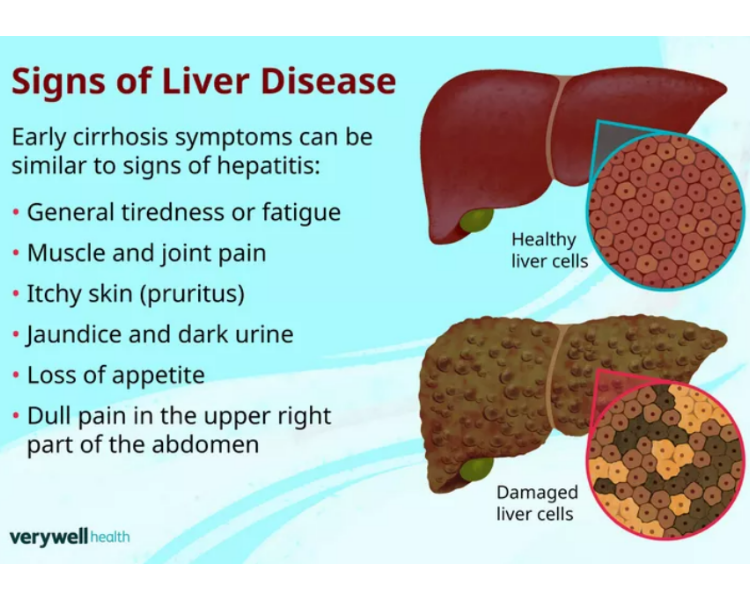
Liver diseases refer to a wide range of conditions that affect the structure and function of the liver, one of the body’s most vital organs responsible for metabolism, detoxification, digestion, and nutrient storage. Common liver disorders include fatty liver disease, hepatitis (viral or autoimmune), cirrhosis, liver fibrosis, liver abscess, and liver cancer. These conditions may develop due to infections, excessive alcohol intake, metabolic disorders, obesity, genetic factors, or long-term medication use. Early stages of liver disease often show minimal or no symptoms, which is why timely screening and evaluation are essential. As the condition progresses, patients may experience fatigue, jaundice (yellowing of skin and eyes), abdominal swelling, nausea, loss of appetite, easy bruising, and confusion in advanced stages. Diagnostic evaluation typically involves blood tests, liver function tests, imaging such as ultrasound or CT scan, and sometimes liver biopsy to determine severity. Management depends on the underlying cause and stage of disease. Lifestyle modification is a cornerstone of treatment, especially for fatty liver disease, where weight control, balanced diet, regular exercise, and avoidance of alcohol can significantly improve liver health. Viral hepatitis may require antiviral therapy, while autoimmune liver diseases are treated with immune-modulating medications. Advanced liver damage such as cirrhosis requires specialized care and monitoring to prevent complications like portal hypertension or liver failure. Preventive care plays a crucial role. Vaccination against hepatitis A and B, maintaining healthy body weight, safe medication use, and routine health checkups can reduce risk. Early detection and expert medical guidance greatly improve outcomes and quality of life. Comprehensive liver care combines accurate diagnosis, individualized treatment, and long-term follow-up to ensure optimal liver function and overall well-being.


