Cirrhosis: Causes, Signs, Symptoms & Treatment
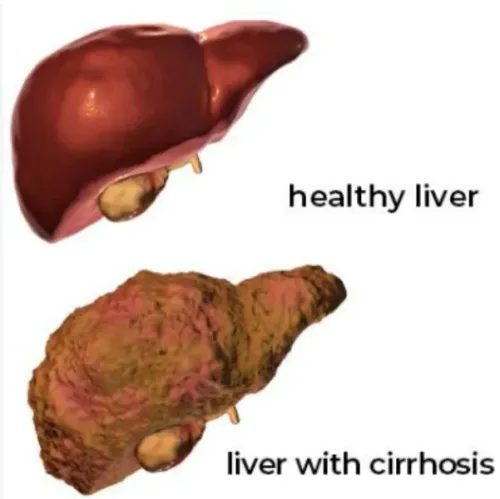
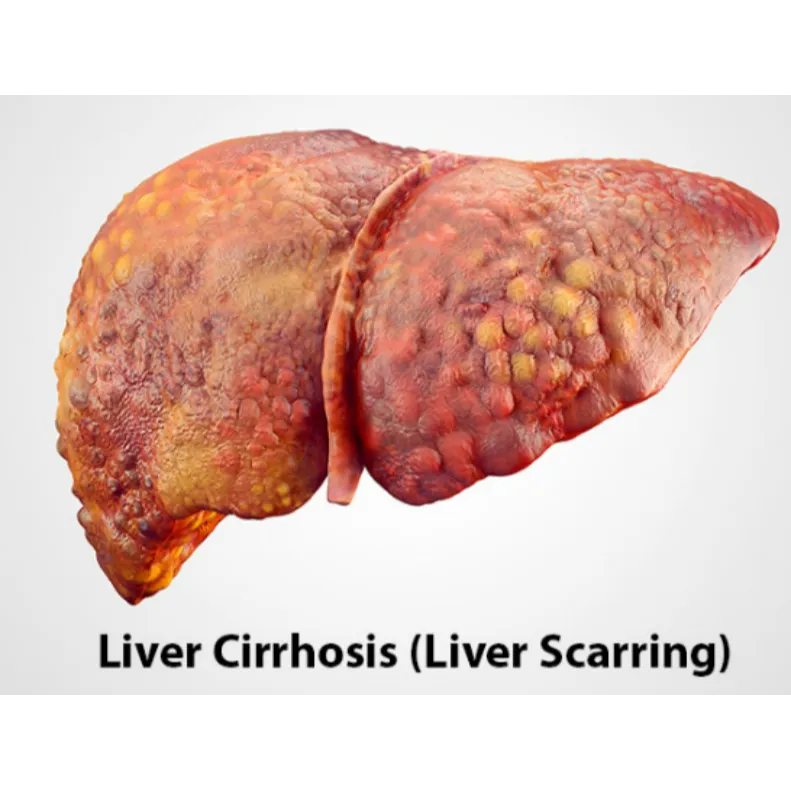
Cirrhosis is a chronic liver condition where healthy liver tissue is gradually replaced by scar tissue, leading to impaired liver function. It is the final stage of long-term liver damage and can be life-threatening if not managed in time.
Causes of Cirrhosis:
Cirrhosis can result from various liver diseases and conditions, including:
Chronic alcohol abuse (Alcoholic liver disease)
Chronic hepatitis B or C infection
Non-alcoholic fatty liver disease (NAFLD)
Autoimmune hepatitis
Genetic disorders like Wilson's disease and hemochromatosis
Bile duct diseases such as primary biliary cholangitis
Signs and Symptoms:
Cirrhosis often develops silently in its early stages. As the disease progresses, the following symptoms may appear:
Fatigue and weakness
Loss of appetite and weight loss
Jaundice (yellowing of skin and eyes)
Swelling in the legs, feet, or abdomen (ascites)
Itchy skin
Easy bruising or bleeding
Spider-like blood vessels on the skin
Confusion, forgetfulness (hepatic encephalopathy)
Diagnosis:
Cirrhosis is diagnosed through a combination of blood tests, imaging studies (ultrasound, CT scan, FibroScan), and sometimes a liver biopsy.
Treatment:
While the damage from cirrhosis is often irreversible, treatment focuses on:
Slowing disease progression
Managing symptoms and complications
Treating the underlying cause (e.g., antiviral drugs for hepatitis, abstinence from alcohol)
Lifestyle changes such as a low-salt diet, avoiding alcohol, and maintaining a healthy weight
In advanced cases, liver transplantation may be the only option
Early diagnosis and proper care can help improve quality of life and prevent serious complications like liver failure or liver cancer. Regular check-ups with a gastroenterologist or liver specialist are essential for those at risk.
Consult us today.👇
Contact Us📞 +91 7303055137
Email:care.cure.clinic.2020@gmail.com
Keywords