

+918048030554

Currently it only shows your basic business info. Start adding relevant business details such as description, images and products or services to gain your customers attention by using Boost 360 android app / iOS App / web portal.

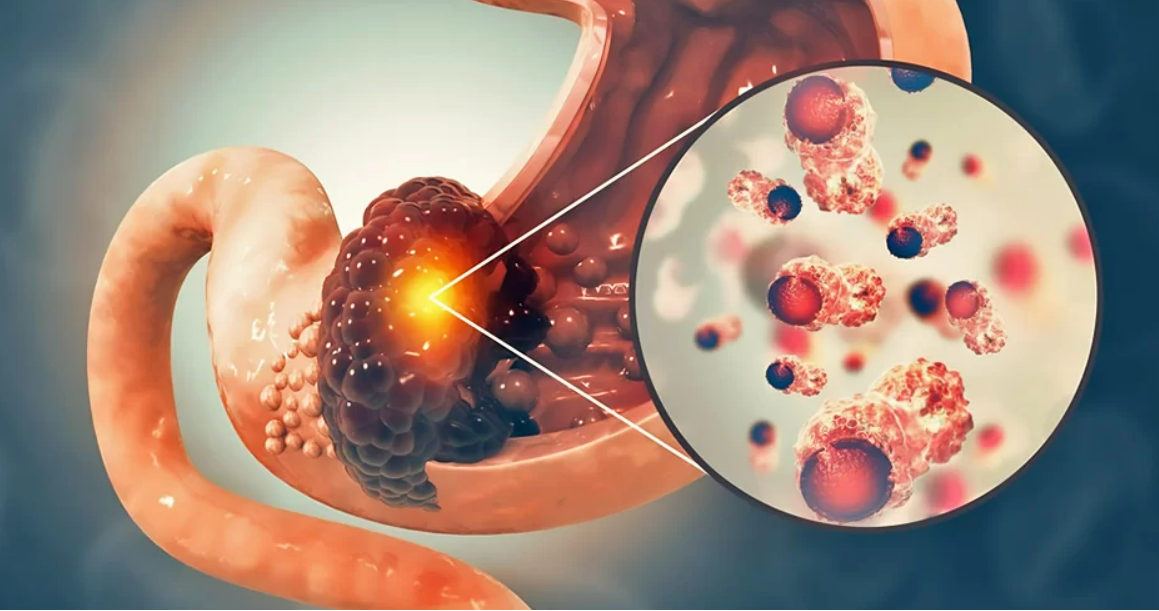
Gastric cancer, also known as stomach cancer, develops when abnormal cells grow uncontrollably in the lining of the stomach. It is a serious but often treatable condition when diagnosed at an early stage. Gastric cancer is more common in people above the age of 50, but it can occur at any age. Several risk factors are associated with gastric cancer. The most common include Helicobacter pylori infection, long-term gastritis, smoking, excessive alcohol consumption, high intake of salty or processed foods, obesity, and a family history of stomach cancer. Certain conditions like gastric polyps and pernicious anemia also increase the risk. In the early stages, gastric cancer may cause no symptoms or only vague complaints such as indigestion, bloating, or mild stomach discomfort. As the disease progresses, symptoms may include persistent abdominal pain, loss of appetite, unexplained weight loss, nausea, vomiting, difficulty swallowing, black stools, or anemia. Diagnosis involves upper gastrointestinal endoscopy, during which a biopsy is taken for confirmation. Imaging tests such as CT scan, endoscopic ultrasound, and PET scan help in staging the disease and planning treatment. Treatment depends on the stage of cancer and the patient’s overall health. Surgery is the main curative option and involves partial or total removal of the stomach (gastrectomy). Chemotherapy and radiotherapy may be used before or after surgery to improve outcomes. In advanced cases, targeted therapy and immunotherapy may also be considered. Early detection plays a crucial role in improving survival rates. Maintaining a healthy diet, avoiding smoking and alcohol, and timely medical evaluation of persistent gastric symptoms can help in prevention and early diagnosis.


