

+918048030554

Currently it only shows your basic business info. Start adding relevant business details such as description, images and products or services to gain your customers attention by using Boost 360 android app / iOS App / web portal.

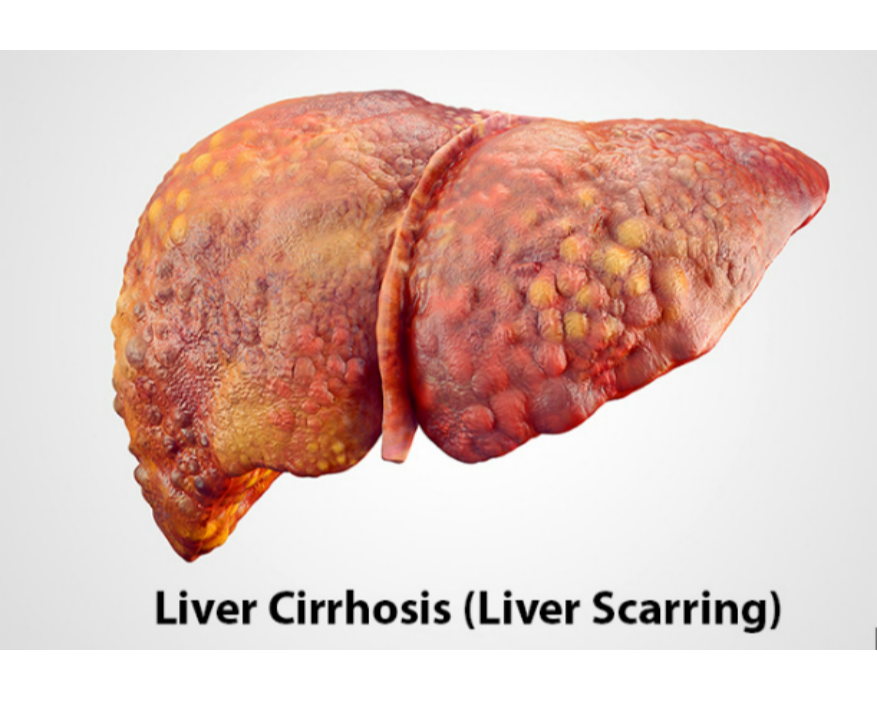
Cirrhosis Treatment Cirrhosis is a chronic liver condition where healthy liver tissue is gradually replaced by scar tissue, leading to a decline in liver function. This condition often develops over years due to long-term liver damage caused by factors such as chronic alcohol use, hepatitis B or C infection, fatty liver disease, or autoimmune disorders. The primary goal of treatment is to slow down liver damage, manage symptoms, and prevent complications. Treatment depends on the cause and the severity of the disease. In alcohol-related cirrhosis, complete abstinence from alcohol is the most important step. For cases related to viral hepatitis, antiviral medications help to suppress the virus and reduce liver inflammation. In fatty liver–related cirrhosis, maintaining a healthy diet, regular exercise, and weight management are essential. Medications may be prescribed to control symptoms such as swelling (diuretics), itching, or mental confusion (lactulose) due to toxin buildup. Regular monitoring through blood tests, ultrasound, and endoscopy helps detect complications like ascites, variceal bleeding, or hepatic encephalopathy at an early stage. A low-sodium diet and balanced nutrition are crucial for patients to manage fluid retention and maintain overall health. In advanced stages, when the liver can no longer perform its essential functions, a liver transplant may be necessary as a life-saving treatment. Cirrhosis requires long-term medical supervision and consistent lifestyle management. Early detection and proper care can significantly improve quality of life and slow disease progression. Adopting healthy habits, avoiding alcohol, and following medical advice can make a major difference in managing cirrhosis effectively.


