

+918048030554

Currently it only shows your basic business info. Start adding relevant business details such as description, images and products or services to gain your customers attention by using Boost 360 android app / iOS App / web portal.

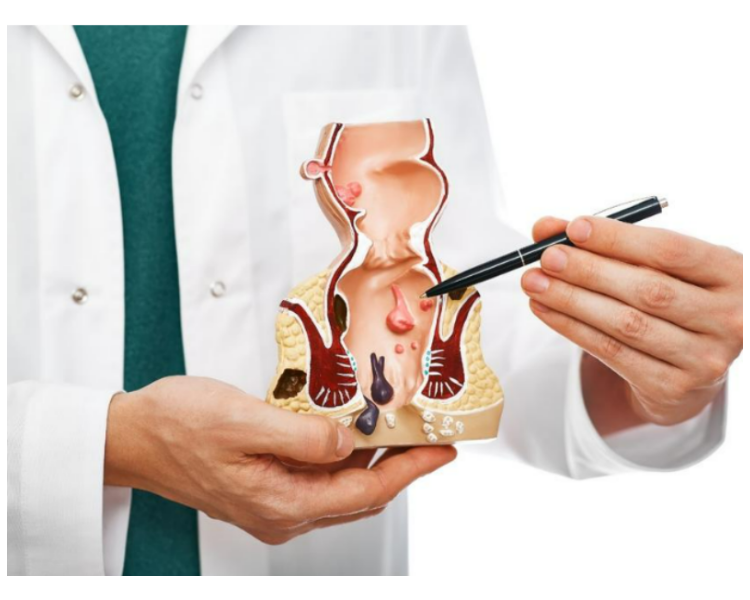
Rectal prolapse is a medical condition in which the rectum (the final part of the large intestine) slips out through the anal opening. It commonly affects elderly individuals, women after multiple childbirths, and people with chronic constipation, though it can occur at any age. Rectal prolapse develops due to weakening of the pelvic floor muscles and ligaments that support the rectum. Risk factors include chronic straining during bowel movements, long-standing constipation or diarrhea, neurological disorders, previous pelvic surgeries, and conditions that increase abdominal pressure. In children, rectal prolapse may be associated with malnutrition or parasitic infections. Patients with rectal prolapse often notice a reddish mass protruding from the anus, especially during defecation. Early on, the prolapse may reduce on its own, but with time it may require manual reduction. Other symptoms include discomfort, mucus discharge, bleeding, fecal incontinence, and a feeling of incomplete bowel evacuation. Diagnosis is usually made through clinical examination. Additional tests such as colonoscopy, defecography, or anal manometry may be done to identify underlying causes and associated conditions. Treatment depends on the severity of the prolapse and the patient’s overall health. In mild cases, conservative management including stool softeners, high-fiber diet, adequate hydration, and pelvic floor exercises may help. However, surgery is the definitive treatment for complete rectal prolapse. Surgical options include abdominal procedures (rectopexy) or perineal procedures, chosen based on age and fitness for surgery. Early treatment is important to prevent complications such as ulceration, strangulation, or worsening incontinence. With timely diagnosis and appropriate surgical care, rectal prolapse can be effectively treated, significantly improving quality of life.


