

+918048030554

Currently it only shows your basic business info. Start adding relevant business details such as description, images and products or services to gain your customers attention by using Boost 360 android app / iOS App / web portal.

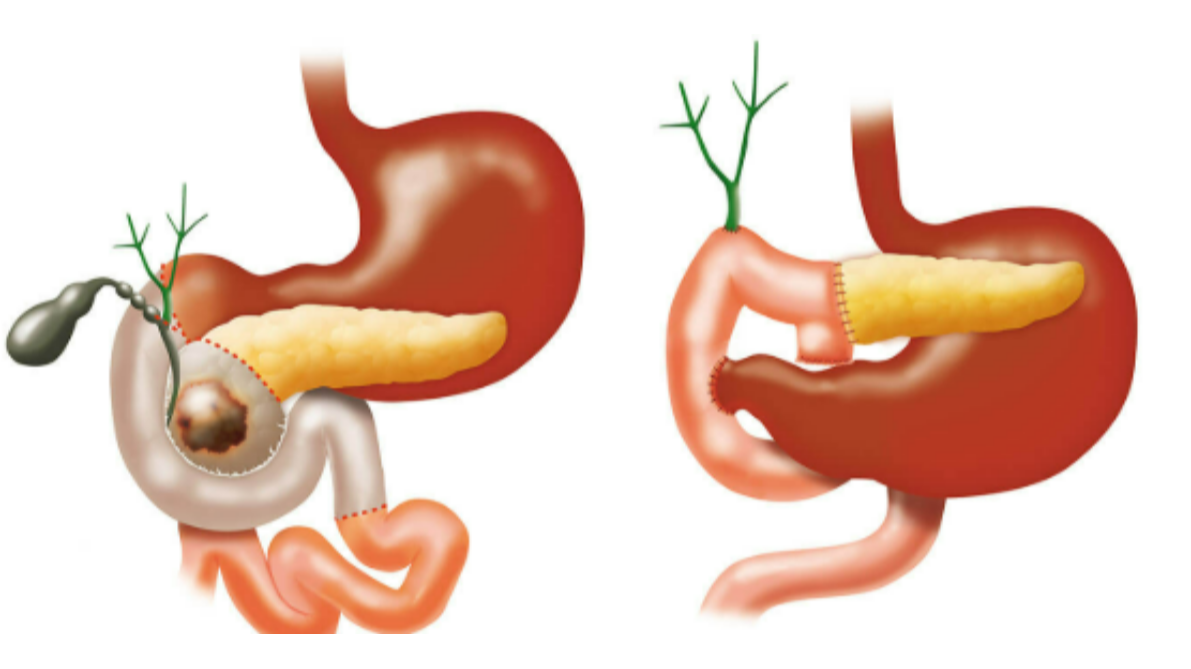
Pancreatic Surgery Pancreatic surgery refers to surgical procedures performed to treat diseases of the pancreas, an important organ located behind the stomach that plays a vital role in digestion and blood sugar regulation. The pancreas produces digestive enzymes and hormones such as insulin and glucagon. Conditions that may require pancreatic surgery include pancreatic cancer, chronic pancreatitis, pancreatic cysts or tumors, trauma to the pancreas, and certain congenital abnormalities. One of the most common and complex pancreatic operations is the Whipple procedure (pancreaticoduodenectomy). This surgery is mainly performed for cancers of the pancreatic head and involves removal of the head of the pancreas along with parts of the small intestine, bile duct, and sometimes the stomach. Other types of pancreatic surgeries include distal pancreatectomy, in which the body and tail of the pancreas are removed (often along with the spleen), and total pancreatectomy, where the entire pancreas is removed in severe or widespread disease. Pancreatic surgery is a highly specialized procedure that requires advanced surgical expertise due to the pancreas’s deep location and close relationship with major blood vessels. Before surgery, patients undergo detailed investigations such as CT scans, MRI, endoscopic ultrasound, and blood tests to assess the extent of disease and surgical feasibility. Although pancreatic surgery is major surgery, advancements in surgical techniques, anesthesia, and postoperative care have significantly improved outcomes. In selected cases, minimally invasive or robotic-assisted pancreatic surgery may be performed, offering benefits such as smaller incisions, reduced pain, and quicker recovery. Postoperative care is crucial and may include pain management, nutritional support, enzyme supplementation, and blood sugar monitoring, especially if a large portion of the pancreas is removed. Possible complications include infection, delayed gastric emptying, leakage of pancreatic fluid, or diabetes. In conclusion, pancreatic surgery plays a critical role in the management of serious pancreatic diseases. With early diagnosis, careful patient selection, and experienced surgical teams, pancreatic surgery can significantly improve survival, symptom relief, and quality of life.


