

+918048030554

Currently it only shows your basic business info. Start adding relevant business details such as description, images and products or services to gain your customers attention by using Boost 360 android app / iOS App / web portal.

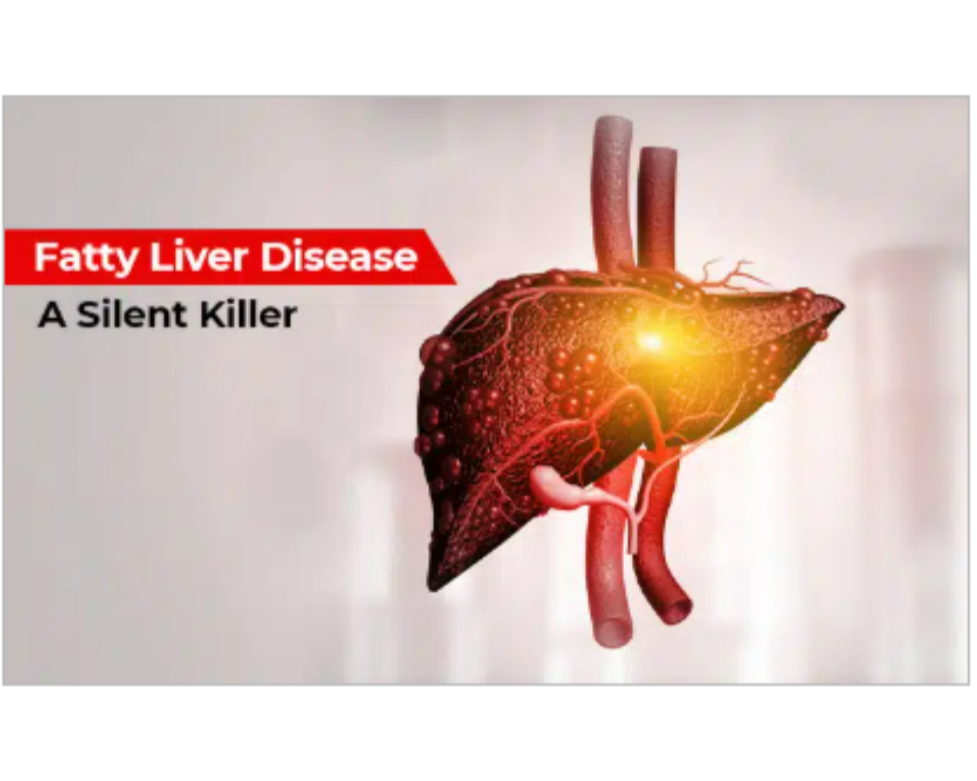
Liver Disease The liver is one of the body’s most vital organs, responsible for detoxification, metabolism, and production of essential proteins. Liver disease refers to any condition that affects the liver’s structure or function. It can be caused by viral infections, excessive alcohol consumption, fatty liver, autoimmune disorders, or genetic conditions. Common types include hepatitis, fatty liver disease (NAFLD and AFLD), cirrhosis, and liver cancer. Hepatitis (A, B, C, D, and E) is caused by viruses that lead to inflammation and damage to liver cells. Fatty liver disease results from fat buildup within liver cells and is often linked to obesity, diabetes, or alcohol intake. Cirrhosis is an advanced stage of liver damage where healthy tissue is replaced by scar tissue, affecting liver function severely. Symptoms of liver disease can include fatigue, loss of appetite, nausea, yellowing of the skin or eyes (jaundice), abdominal pain, and swelling in the legs or abdomen. In many cases, early stages show no symptoms, making regular check-ups crucial for early detection. Diagnosis involves blood tests, imaging like ultrasound or FibroScan, and sometimes liver biopsy. Treatment depends on the cause — antiviral drugs for hepatitis, lifestyle modifications for fatty liver, and avoiding alcohol or toxins that damage the liver. Advanced liver disease may require liver transplantation. Prevention focuses on maintaining a healthy weight, eating a balanced diet, exercising regularly, avoiding excessive alcohol, and getting vaccinated against hepatitis. Early intervention can halt or reverse liver damage, protecting overall health and longevity.


