

+918048030554

Currently it only shows your basic business info. Start adding relevant business details such as description, images and products or services to gain your customers attention by using Boost 360 android app / iOS App / web portal.

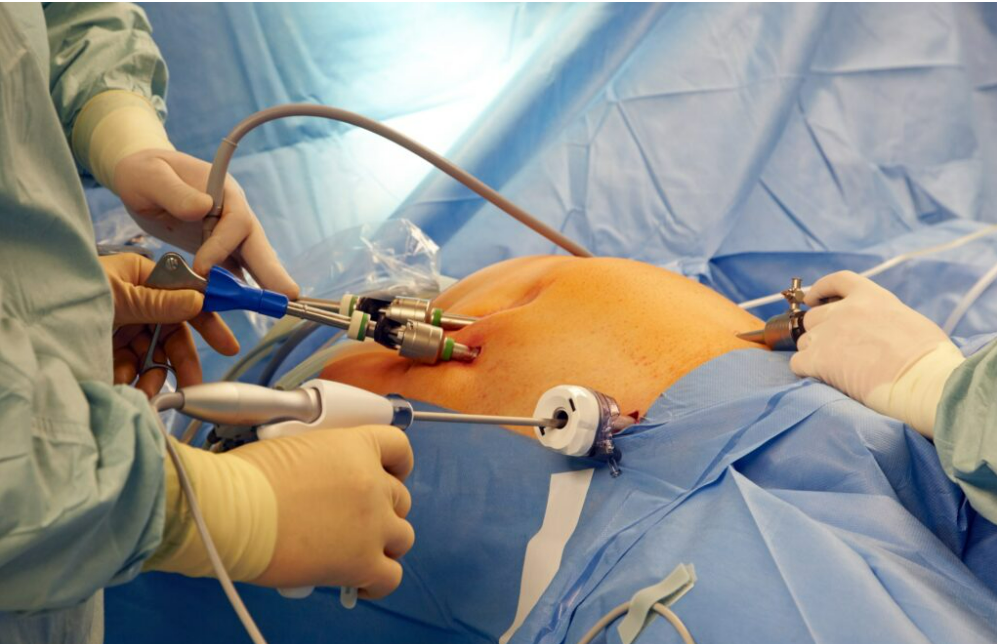
Laparoscopic Surgery (Minimally Invasive Surgery) Laparoscopic surgery, also known as minimally invasive surgery, is a modern surgical technique in which operations are performed through small incisions using a camera and specialized instruments. Instead of making a large cut, the surgeon makes 3–4 small incisions (usually 0.5–1 cm) through which a laparoscope and surgical tools are inserted. The laparoscope is a thin tube with a high-resolution camera that projects images onto a monitor, allowing the surgeon to view the internal organs clearly. This type of surgery is commonly used for procedures involving the abdomen and pelvis. It is widely performed in conditions such as gallbladder stones (laparoscopic cholecystectomy), appendicitis, hernia repair, ovarian cysts, endometriosis, fibroids, infertility evaluation, ectopic pregnancy, and some types of cancer surgeries. Laparoscopy is also used as a diagnostic tool when the cause of abdominal pain or infertility is unclear. One of the major advantages of laparoscopic surgery is faster recovery. Since the incisions are small, patients experience less postoperative pain, minimal blood loss, and a lower risk of infection. Hospital stay is usually shorter, and many patients can return to their normal daily activities within a few days. Cosmetic results are also better due to smaller scars. Although laparoscopic surgery is generally safe, it may not be suitable for every patient. Factors such as severe infection, extensive internal scarring, or certain medical conditions may require open surgery. Like any surgical procedure, laparoscopy also carries some risks, including bleeding, infection, or injury to nearby organs, but these complications are rare when performed by an experienced surgeon. In conclusion, laparoscopic surgery has revolutionized modern medicine by offering a safer, less painful, and more efficient alternative to traditional open surgery. It has significantly improved patient comfort, recovery time, and overall surgical outcomes.


