

+918048030554

Currently it only shows your basic business info. Start adding relevant business details such as description, images and products or services to gain your customers attention by using Boost 360 android app / iOS App / web portal.

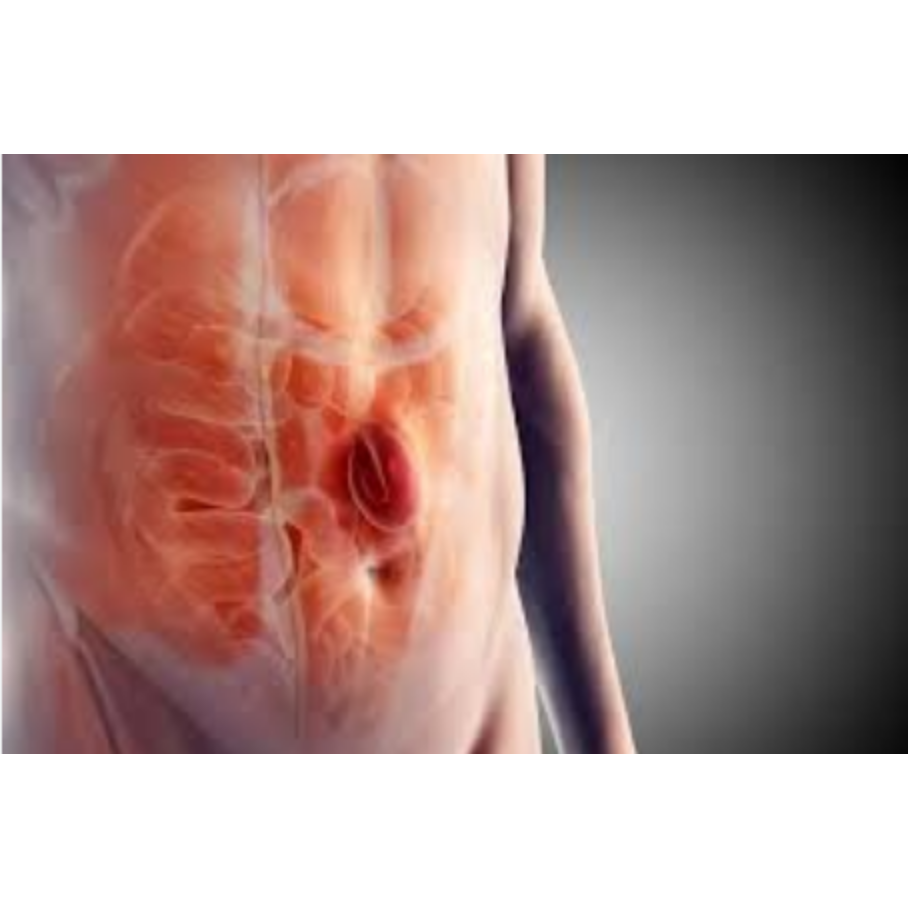
Hernia: Causes, Symptoms, and Treatment Options A hernia is a common medical condition that occurs when an internal organ or tissue pushes through a weak area in the surrounding muscle or connective tissue. Hernias most commonly develop in the abdomen or groin, though they can also occur near the navel or at the site of a previous surgical incision. The most frequent types include inguinal hernia, femoral hernia, umbilical hernia, incisional hernia, and hiatal hernia. Hernias often present as a visible bulge that becomes more noticeable while standing, coughing, or lifting heavy objects and may reduce when lying down. Patients may experience discomfort, pain, or a feeling of heaviness at the affected site, especially during physical activity. In some cases, hernias may not cause pain but can gradually increase in size over time. Risk factors for hernia formation include heavy lifting, chronic cough, constipation, obesity, pregnancy, aging, and a history of abdominal surgery. Although hernias are not immediately life-threatening, they do not heal on their own and can lead to serious complications if left untreated. One such complication is strangulation, where the blood supply to the trapped tissue is cut off, causing severe pain and requiring emergency surgery. Surgery is the definitive treatment for hernia repair. The procedure involves returning the protruding tissue to its normal position and strengthening the weakened muscle area, often with the use of a synthetic mesh. Hernia surgery can be performed through open surgery or minimally invasive laparoscopic and robotic techniques. Minimally invasive approaches offer advantages such as smaller incisions, less postoperative pain, faster recovery, and an earlier return to daily activities. Early diagnosis and timely surgical intervention are key to preventing complications and improving patient outcomes. With modern surgical techniques and proper postoperative care, hernia repair is a safe and effective procedure that significantly improves comfort, mobility, and quality of life.


