

+918048030554

Currently it only shows your basic business info. Start adding relevant business details such as description, images and products or services to gain your customers attention by using Boost 360 android app / iOS App / web portal.

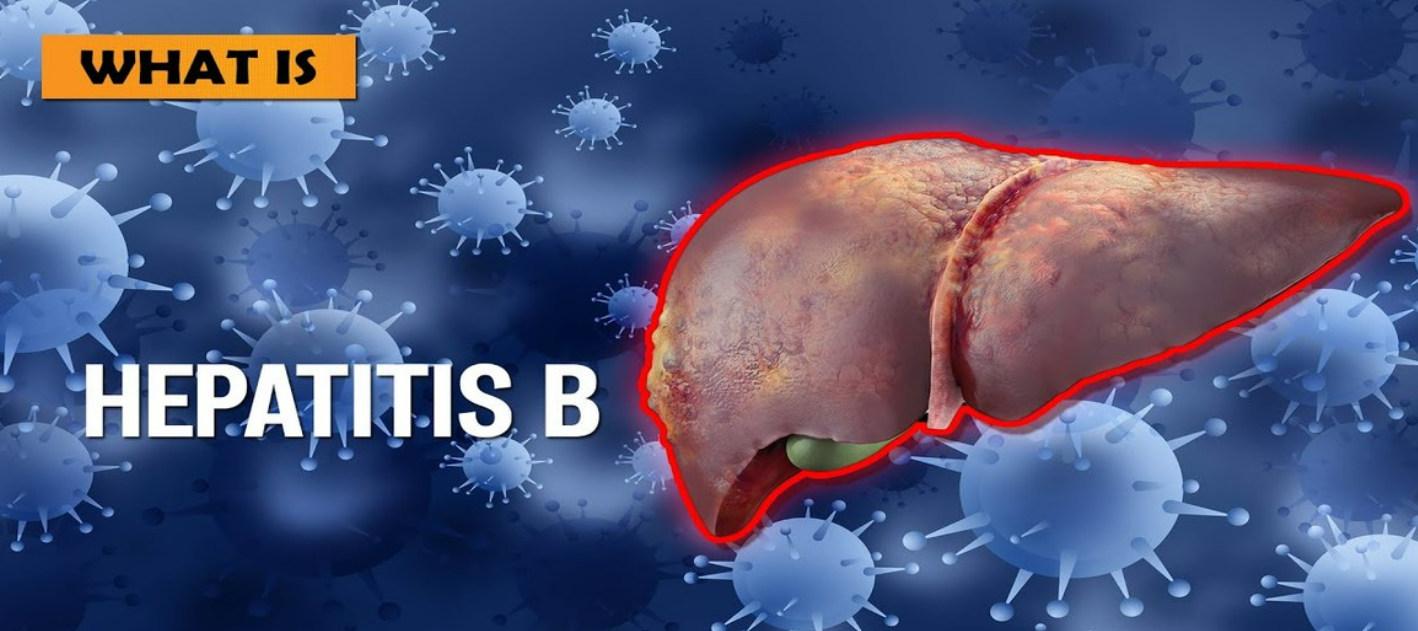
Hepatitis B: Causes, Symptoms, and Management Hepatitis B is a viral infection that primarily affects the liver and can lead to both acute and chronic liver disease. It is caused by the Hepatitis B virus (HBV), which spreads through contact with infected blood or body fluids. Common modes of transmission include unprotected sexual contact, sharing needles, transfusion of unscreened blood, and from an infected mother to her baby at birth. Hepatitis B remains a major global health concern, especially in developing countries. Many people with acute Hepatitis B may have mild or no symptoms and recover completely. However, some individuals develop chronic Hepatitis B, in which the virus remains in the body for more than six months. Chronic infection can silently damage the liver over time and may progress to serious conditions such as cirrhosis, liver failure, and hepatocellular carcinoma (liver cancer). Symptoms of Hepatitis B, when present, may include fatigue, fever, loss of appetite, nausea, abdominal pain, dark-colored urine, pale stools, and jaundice. Diagnosis is confirmed through blood tests that detect viral antigens, antibodies, and liver enzyme levels. Regular monitoring is essential to assess liver damage and viral activity. The management of Hepatitis B depends on the stage and severity of the disease. Acute Hepatitis B usually requires supportive care, rest, and regular follow-up. Chronic Hepatitis B may need long-term antiviral medications to suppress viral replication and reduce liver inflammation. Lifestyle changes such as avoiding alcohol, maintaining a healthy diet, and preventing transmission to others are crucial parts of management. Vaccination is the most effective way to prevent Hepatitis B. The Hepatitis B vaccine is safe, effective, and recommended for all newborns, healthcare workers, and individuals at risk. Early detection, appropriate treatment, and preventive measures can significantly improve outcomes and help protect long-term liver health.


