

+918048030554

Currently it only shows your basic business info. Start adding relevant business details such as description, images and products or services to gain your customers attention by using Boost 360 android app / iOS App / web portal.

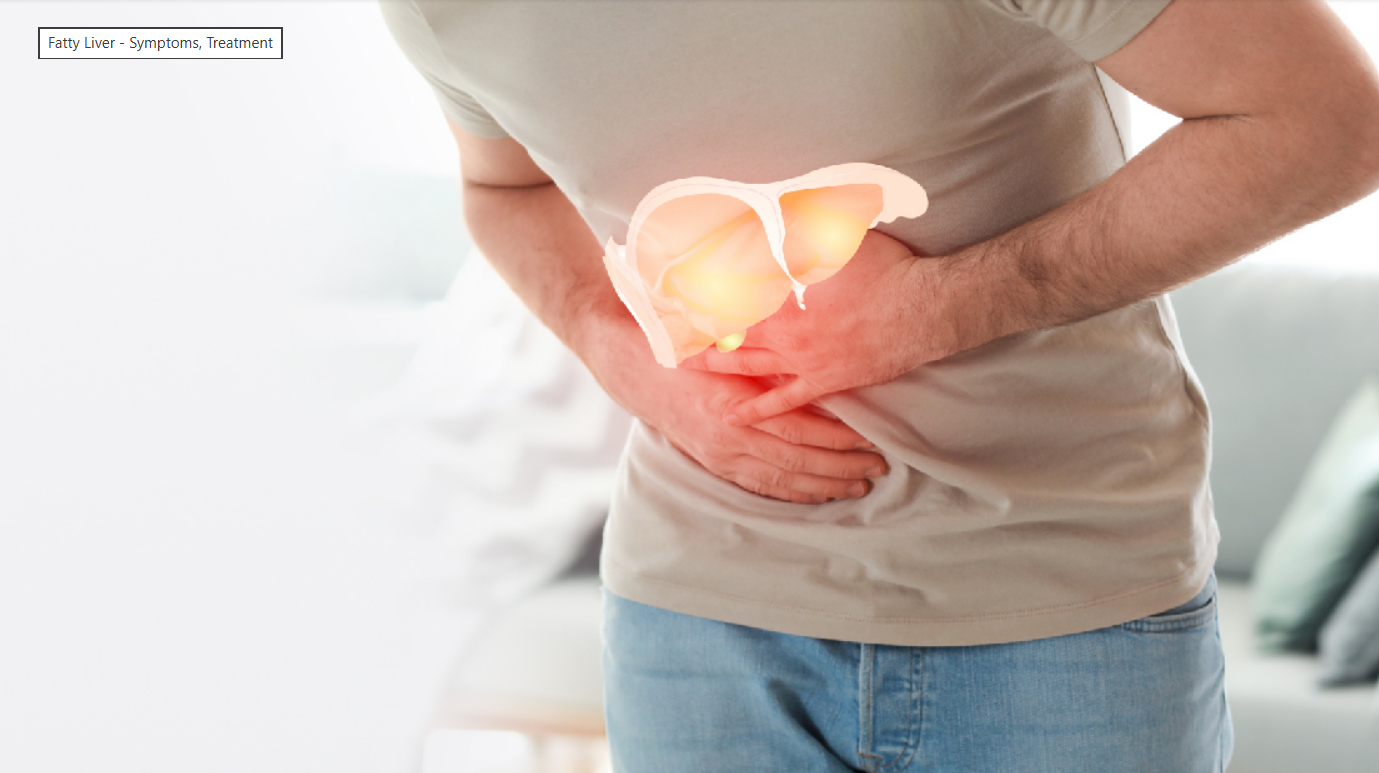
Fatty Liver Disease: Causes, Symptoms, and Treatment Fatty liver disease is a common liver condition characterized by the accumulation of excess fat within liver cells. When fat makes up more than 5–10% of the liver’s weight, it can interfere with normal liver function. Fatty liver disease is broadly classified into alcoholic fatty liver disease, caused by excessive alcohol intake, and non-alcoholic fatty liver disease (NAFLD), which occurs in people who drink little or no alcohol. NAFLD is increasingly common due to sedentary lifestyles and unhealthy dietary habits. In its early stages, fatty liver disease often has no obvious symptoms and is frequently detected incidentally during routine blood tests or imaging studies. As the condition progresses, some individuals may experience fatigue, discomfort or heaviness in the right upper abdomen, and mild elevation of liver enzymes. If left untreated, fatty liver disease can advance to non-alcoholic steatohepatitis (NASH), a more severe form marked by liver inflammation and damage. Over time, this can lead to fibrosis, cirrhosis, and an increased risk of liver cancer. The most common risk factors for fatty liver disease include obesity, type 2 diabetes, high cholesterol, high triglyceride levels, and metabolic syndrome. Diagnosis is based on blood tests, ultrasound, FibroScan, or other imaging techniques, and in selected cases, liver biopsy. Management of fatty liver disease primarily focuses on lifestyle modification. Gradual weight loss, regular physical activity, a balanced diet low in sugar and saturated fats, and avoidance of alcohol play a crucial role in reversing fat accumulation in the liver. Control of associated conditions such as diabetes and hypertension is equally important. Currently, there is no specific medication for fatty liver disease, but early diagnosis and sustained lifestyle changes can significantly improve liver health and prevent long-term complications.


