

+918048030554

Currently it only shows your basic business info. Start adding relevant business details such as description, images and products or services to gain your customers attention by using Boost 360 android app / iOS App / web portal.

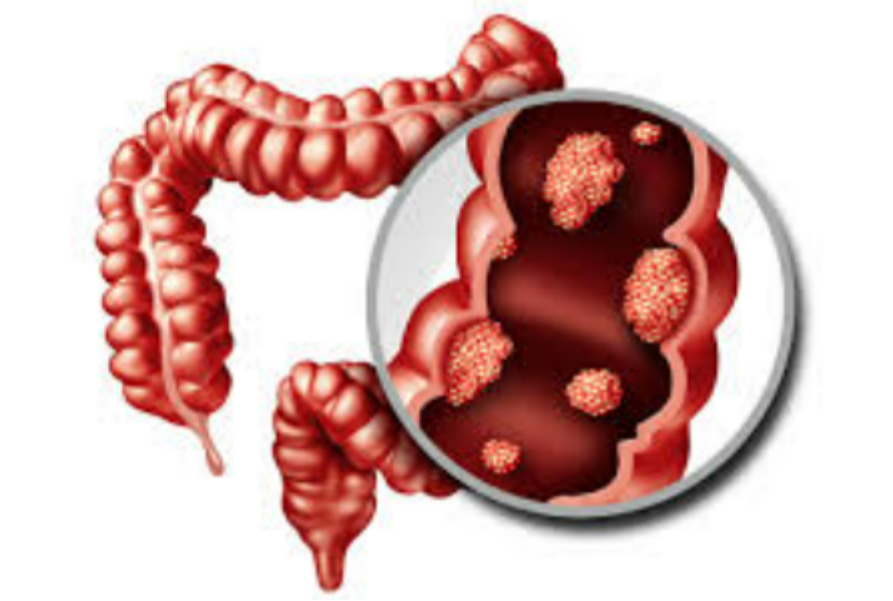
Colorectal Cancer: Awareness, Diagnosis, and Treatment Colorectal cancer is a malignant disease that develops in the colon or rectum and is one of the most common cancers worldwide. It usually begins as a non-cancerous growth called a polyp on the inner lining of the large intestine. Over time, some polyps can transform into cancer, which is why early detection and removal are essential in preventing the disease. Common symptoms of colorectal cancer include a persistent change in bowel habits, such as diarrhea or constipation, blood in the stool, unexplained weight loss, abdominal pain, weakness, and fatigue. In the early stages, the disease may not cause noticeable symptoms, making regular screening extremely important. Risk factors include increasing age, a family history of colorectal cancer, inflammatory bowel disease, obesity, smoking, excessive alcohol intake, and a diet high in red or processed meats. Diagnosis of colorectal cancer involves screening tests such as colonoscopy, which allows direct visualization and biopsy of suspicious lesions. Other investigations may include blood tests, CT scans, MRI, and PET scans to determine the stage of the cancer and whether it has spread to other organs. Treatment of colorectal cancer depends on the stage, location of the tumor, and the patient’s overall health. Surgery is the mainstay of treatment and aims to remove the cancer along with surrounding lymph nodes. Advances in minimally invasive and robotic colorectal surgery have improved surgical precision, reduced complications, and enhanced recovery. Chemotherapy, radiation therapy, targeted therapy, and immunotherapy may be used before or after surgery to reduce recurrence and improve survival. Early diagnosis significantly improves outcomes, with high cure rates in early-stage disease. Adopting a healthy lifestyle, undergoing regular screening after the age of 45, and seeking medical attention for persistent symptoms can help reduce the burden of colorectal cancer and save lives.


