

+918048030554

Currently it only shows your basic business info. Start adding relevant business details such as description, images and products or services to gain your customers attention by using Boost 360 android app / iOS App / web portal.

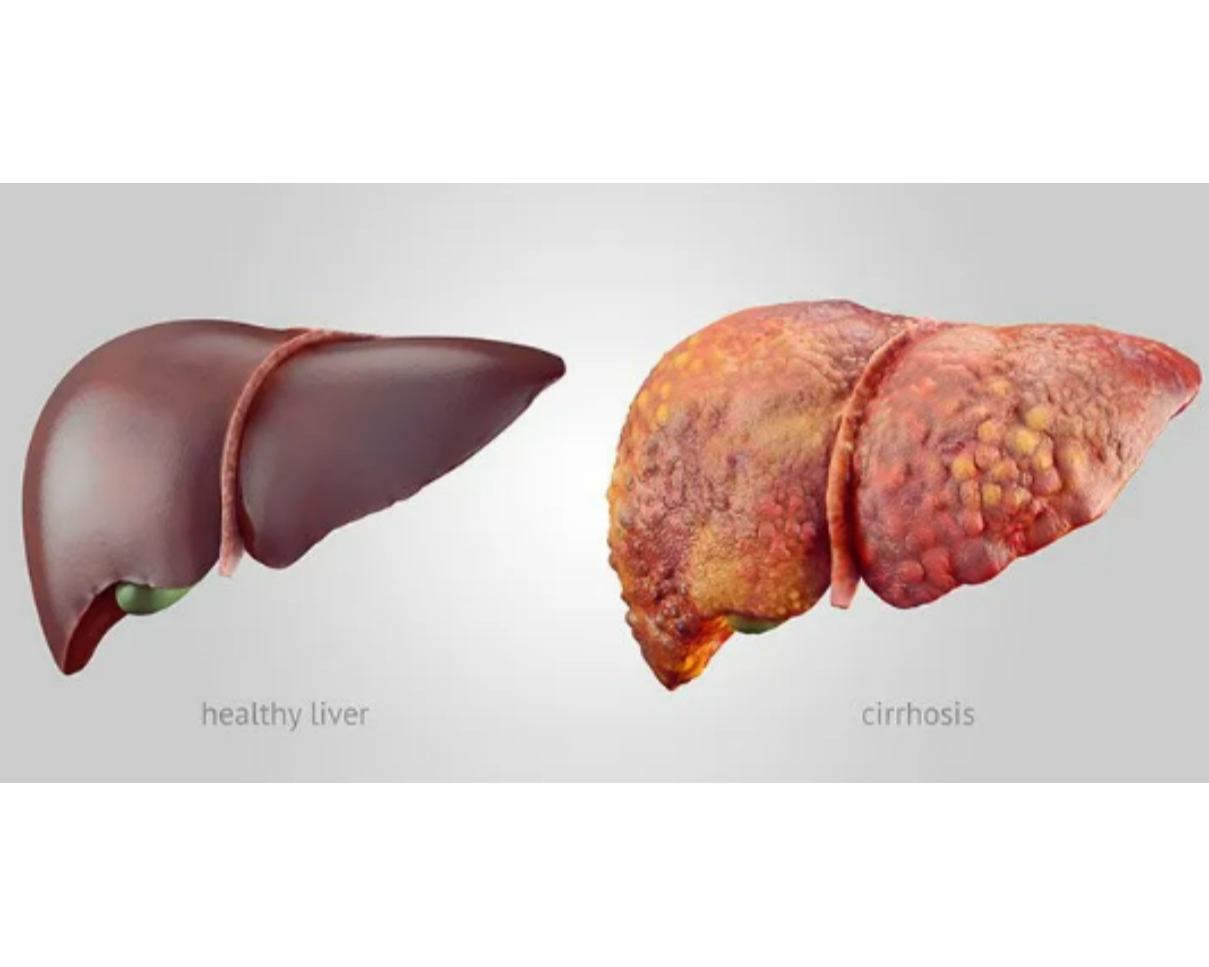
Cirrhosis: Understanding a Serious Liver Condition Cirrhosis is a chronic and progressive liver disease in which healthy liver tissue is gradually replaced by scar tissue. This scarring disrupts the normal structure and function of the liver, reducing its ability to perform vital tasks such as detoxifying the blood, producing proteins, aiding digestion, and regulating metabolism. Cirrhosis usually develops over many years as a result of long-standing liver damage. The most common causes of cirrhosis include chronic alcohol consumption, viral hepatitis (especially Hepatitis B and C), non-alcoholic fatty liver disease (NAFLD), autoimmune liver diseases, and certain genetic or metabolic disorders. In the early stages, cirrhosis may not cause noticeable symptoms. As the disease progresses, patients may experience fatigue, loss of appetite, weight loss, jaundice (yellowing of the skin and eyes), abdominal swelling due to fluid accumulation (ascites), leg swelling, and easy bruising or bleeding. Advanced cirrhosis can lead to serious complications such as portal hypertension, variceal bleeding, hepatic encephalopathy (confusion due to toxin buildup), infections, and an increased risk of liver cancer. Early diagnosis is crucial to slow disease progression and prevent complications. Diagnosis is based on blood tests, imaging studies such as ultrasound or CT scan, and sometimes liver biopsy. Management of cirrhosis focuses on treating the underlying cause, preventing further liver damage, and managing complications. This may include complete abstinence from alcohol, antiviral therapy for hepatitis, weight management, a balanced low-salt diet, medications, and regular medical follow-up. In cases of end-stage liver disease, liver transplantation may be the only definitive treatment. With timely diagnosis, proper medical care, and lifestyle modifications, many patients with cirrhosis can maintain a better quality of life and reduce the risk of life-threatening complications.


