

+918048030554

Currently it only shows your basic business info. Start adding relevant business details such as description, images and products or services to gain your customers attention by using Boost 360 android app / iOS App / web portal.

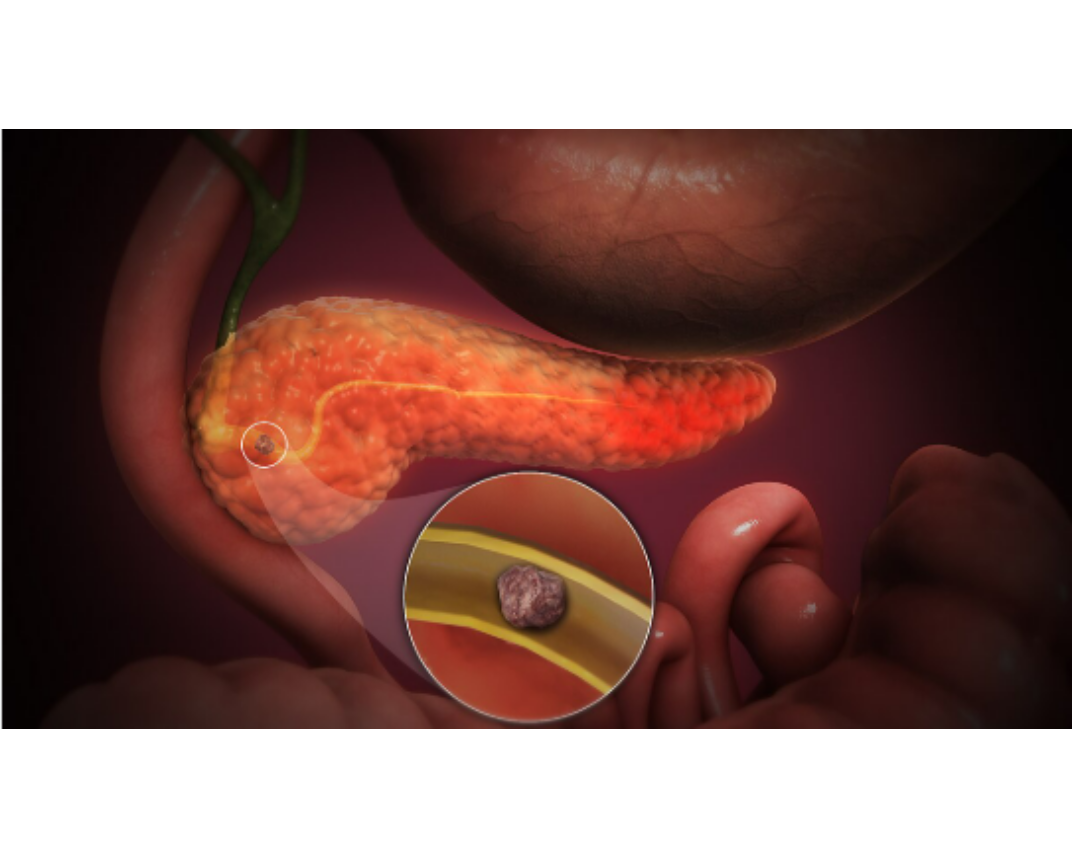
Acute Pancreatitis Acute pancreatitis is a sudden inflammation of the pancreas, an organ that plays a vital role in digestion and blood sugar regulation. This condition occurs when digestive enzymes activate inside the pancreas instead of the small intestine, causing the organ to start digesting itself. It can range from mild discomfort to a severe, life-threatening illness. The most common causes of acute pancreatitis are gallstones and excessive alcohol consumption. Other possible causes include certain medications, high triglyceride levels, abdominal trauma, or infections. In some cases, the cause remains unknown. Symptoms typically begin with severe abdominal pain in the upper abdomen that may radiate to the back, along with nausea, vomiting, fever, and a swollen, tender abdomen. The pain often worsens after eating. Diagnosis is made through blood tests (to check elevated pancreatic enzymes like amylase and lipase) and imaging studies such as ultrasound or CT scan to detect inflammation, gallstones, or fluid buildup. Treatment focuses on supportive care, including hospitalization, fasting to rest the pancreas, IV fluids, and pain control. If gallstones are the cause, procedures like endoscopic retrograde cholangiopancreatography (ERCP) or surgery may be needed. Severe cases might require intensive care for complications like infection, fluid collections, or organ failure. Prevention involves avoiding alcohol, maintaining a healthy diet, controlling lipid levels, and treating gallbladder disease promptly. Early diagnosis and proper management are essential to prevent chronic pancreatitis or other long-term complications. Acute pancreatitis, when managed timely, is usually reversible. However, recurrence is common if risk factors are not addressed. Awareness, lifestyle changes, and regular medical follow-up play a key role in protecting pancreatic health and preventing future attacks.


