

+918048030554

Currently it only shows your basic business info. Start adding relevant business details such as description, images and products or services to gain your customers attention by using Boost 360 android app / iOS App / web portal.

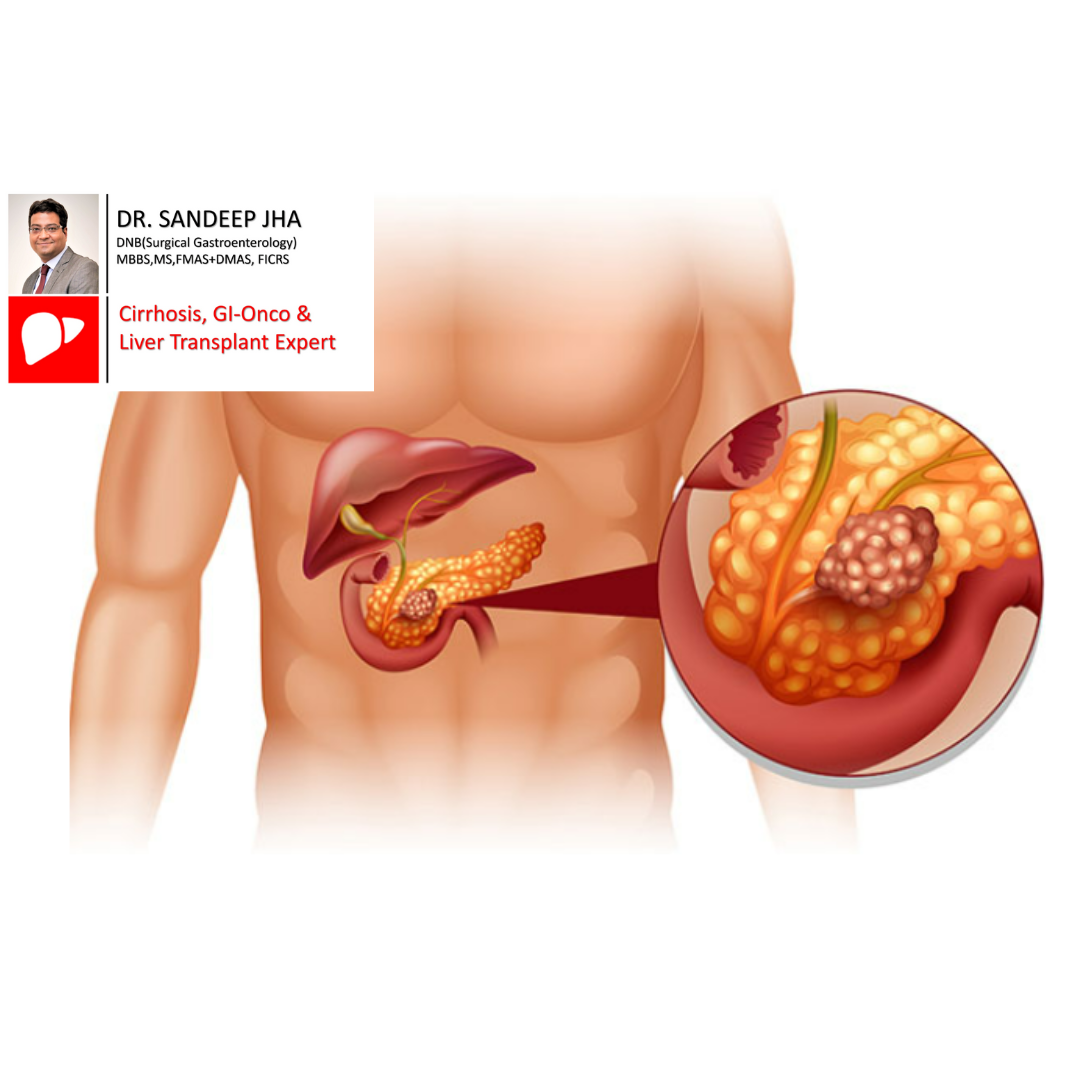
Acute Pancreatitis Acute pancreatitis is a sudden inflammation of the pancreas that can range from mild discomfort to a severe, life-threatening illness. The pancreas is an essential organ located behind the stomach, responsible for producing digestive enzymes and hormones such as insulin. In acute pancreatitis, these enzymes become activated inside the pancreas instead of the intestine, leading to inflammation and tissue damage. The most common causes of acute pancreatitis are gallstones and excessive alcohol consumption. Other causes include high triglyceride levels, abdominal trauma, certain medications, infections, and complications following endoscopic procedures like ERCP. In some cases, the exact cause may remain unknown. The typical symptom of acute pancreatitis is severe upper abdominal pain that may radiate to the back and is often associated with nausea, vomiting, fever, and abdominal tenderness. The pain usually worsens after eating. Diagnosis is based on clinical symptoms, elevated pancreatic enzymes (amylase and lipase) in blood tests, and imaging studies such as ultrasound or CT scan. Management of acute pancreatitis primarily involves supportive care. Most patients require hospitalization for close monitoring. Treatment includes fasting to rest the pancreas, intravenous fluids to maintain hydration, pain control, and nutritional support. Antibiotics are not routinely required unless there is evidence of infection. In cases caused by gallstones, procedures to remove the stones or the gallbladder may be necessary after recovery. While many cases of acute pancreatitis are mild and resolve within a few days, severe pancreatitis can lead to serious complications such as pancreatic necrosis, infection, organ failure, and shock. Early recognition and timely treatment are crucial to prevent complications and improve outcomes. In conclusion, acute pancreatitis is a serious medical condition that requires prompt medical attention. With early diagnosis, appropriate treatment, and management of underlying causes, most patients recover well and can prevent future episodes through lifestyle changes and regular follow-up.


